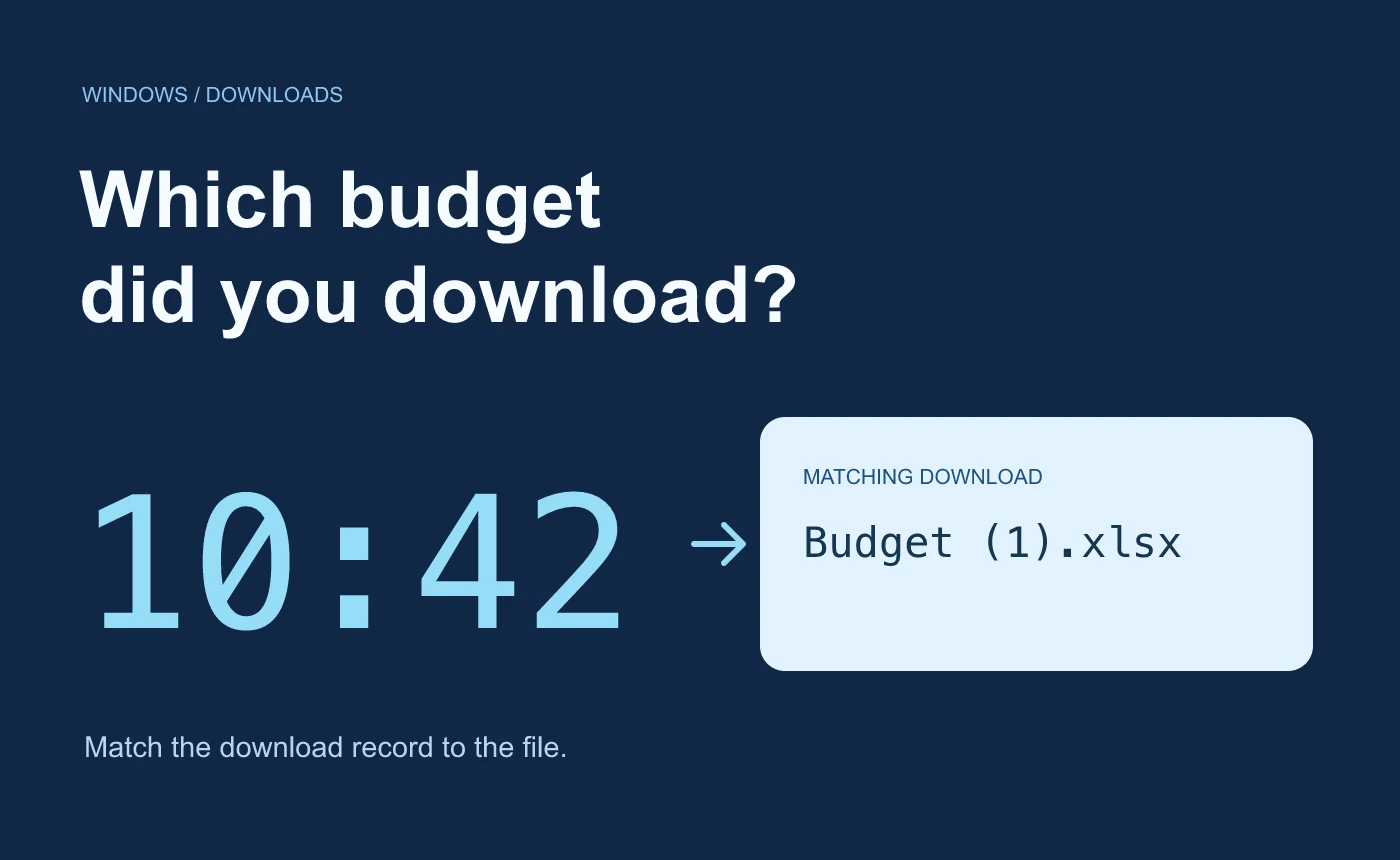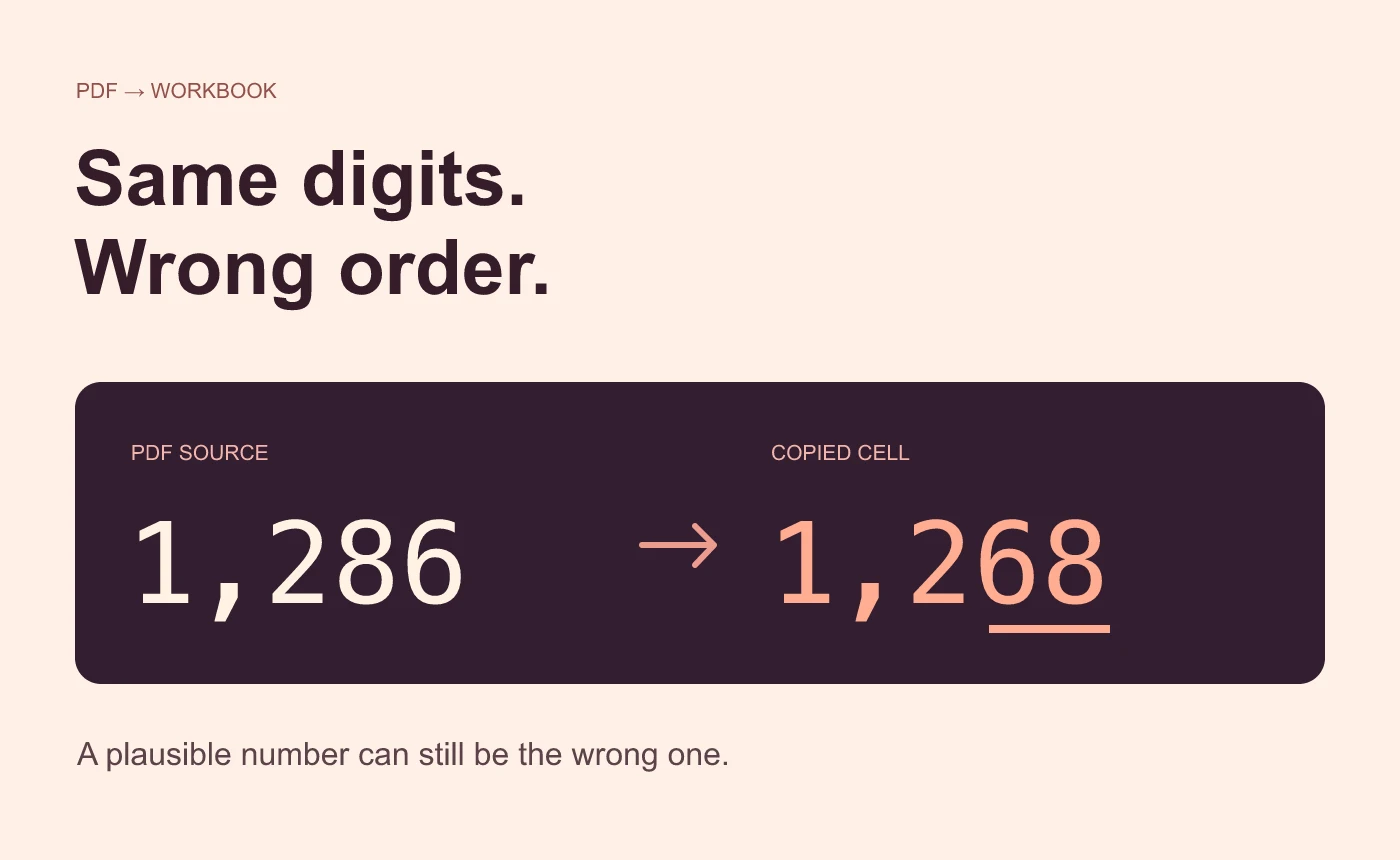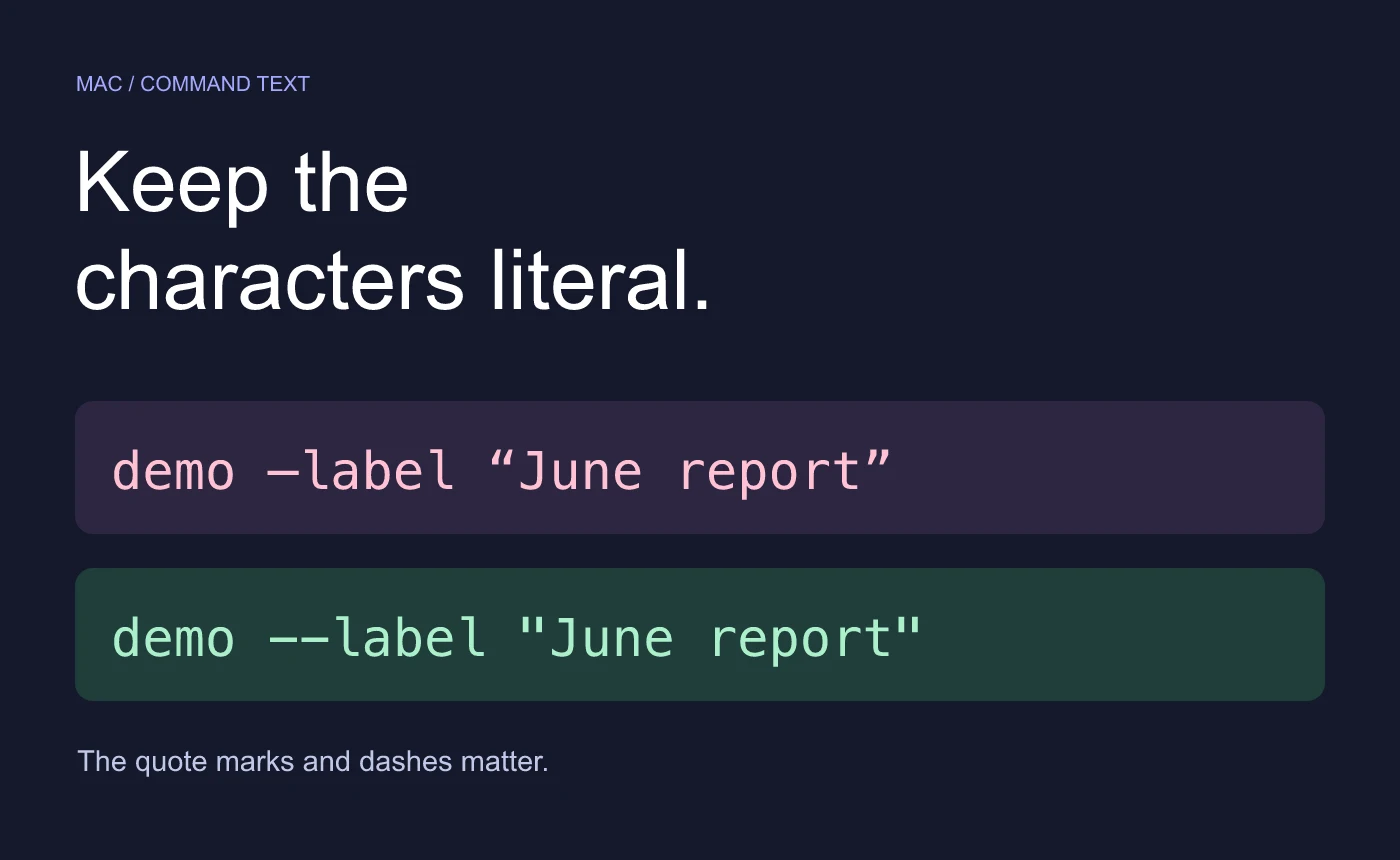
For a one-page demonstration summary, score the result, its evidence and the next step separately. On the evidence row, use a description both reviewers can identify.
Name the difference between adjacent levels
Complete means the result has a source and date. Partial means a result is stated but either the source or date is missing. Missing means no result is stated. Use a separate criterion if you also need to judge the source’s strength.
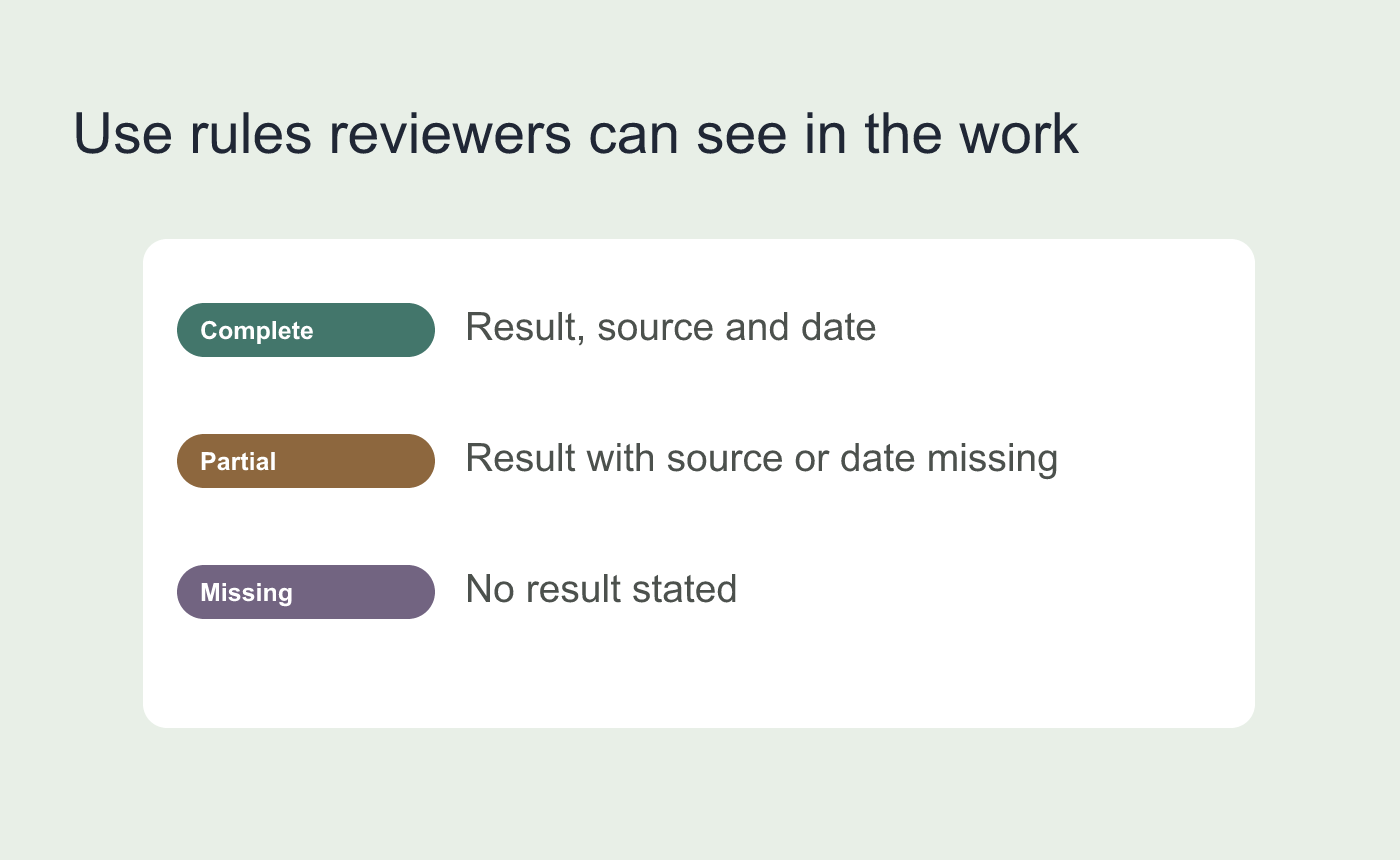
Illustrated rubric for a one-page demonstration summary.
Score one borderline example independently
Try a summary with a result and source but no date. Compare the score and the reason each reviewer gives. Agree whether a date in an appendix qualifies before using the rubric on new submissions.
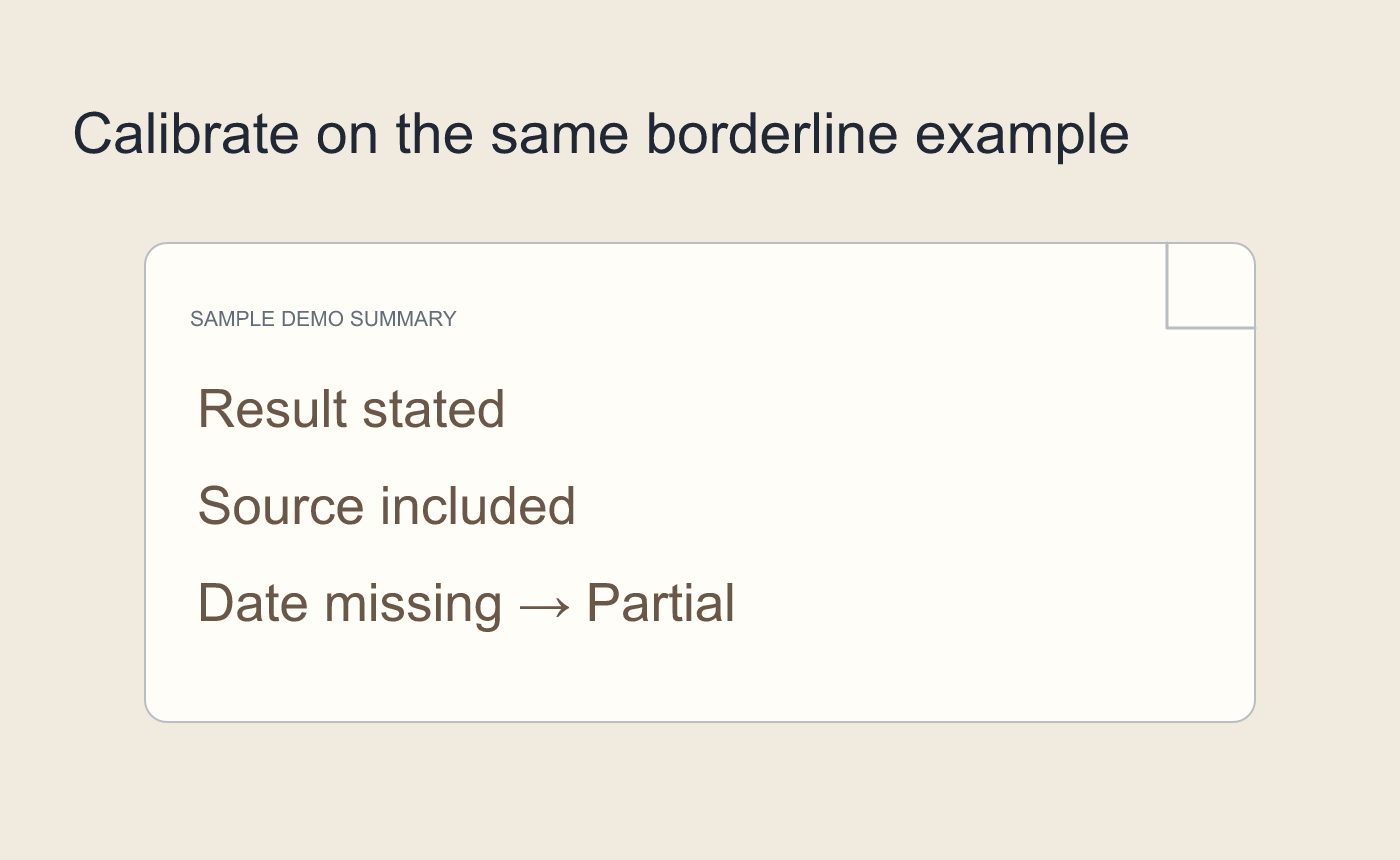
Illustrated calibration. Both should use the same definition.